

AQUAHOLICS 5


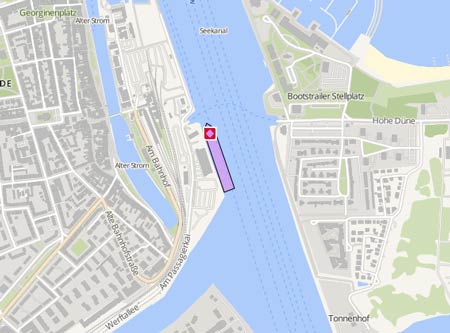
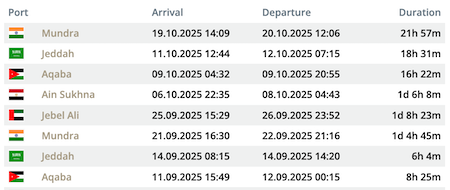
Die letzten Häfen
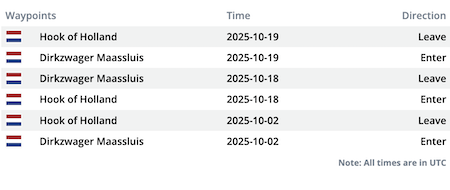
Die letzten Wegpunkte
Die neuesten Nachrichten
Tech divers identified wreck of British merchant cruiser sunk 110 years ago
The wreck of the armed merchant cruiser HMS 'Bayano', sunk by the German submarine 'U-27' in the strait between Scotland and Northern Ireland on March 11, 1915, , has been conclusively identified by a technical-diving team descending from the 'Aquaholics 5'. The divers from community-led initiative ProjectXplore have published a detailed report on the result of their recent dives on the ship, which went down with the loss of 198 men, on a depth of 106 metres. Following extensive research at the UK National Archives in London and Glasgow City Archives through September and into October, the team carried out an offshore sonar survey and dive operation on Oct 12-13 from the dive boat, skippered by Richard Lafferty out of Stranraer. The wreck was found in the North Channel with its bow facing north-north-west and a 20° list to starboard. It rose more than 15 metres above the seabed in places, with its shallowest point at 84 metres. Initially assessed using sidescan sonar, the dimensions matched HMS 'Bayano'‘s 126 metres length. The ship lay only 1.7 nautical miles from the position indicated in contemporary press reports by surviving Royal Marine Private Arthur Craze, who reckoned it had been torpedoed about 18 miles southwest of Ailsa Craig. It was 2.4nm from the position indicated in 'U-27' Kapitänleutnant Bernd Wegener’s war log. HMS 'Bayano' was the only British armed merchant cruiser sunk during WW1 to carry two 6in guns, and the wreck showed both of them in the expected positions. Diving on closed-circuit rebreathers, the team photographed and measured the guns and many other features that turned out to be consistent with the refrigerated fruit-carrier that banana importer Elders & Fyffes had in mind for its fleet when the ship was built in 1913. The dive-team found the masts collapsed; insulated piping and compressor remnants consistent with early 20th-century refrigeration systems; and the five-bar safety railings on the promenade deck and elliptical transom profile also to be expected from the vessel’s specification. The identification was based on a series of mutually reinforcing indicators like the gun size, location, the dimensions, the single-funnel merchant layout, the refrigeration plant, the railing pattern, the stern form and the historical positions. Report with photos: https://divernet.com/scuba-news/wrecks/tech-divers-id-ww1-cruiser-bayano-at-106m/
News schreiben