

ESPNAVY A33


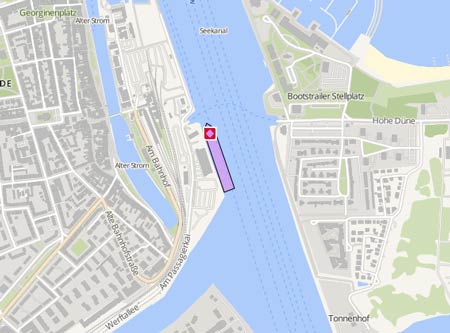
Kurs/Position
vor 1 Min
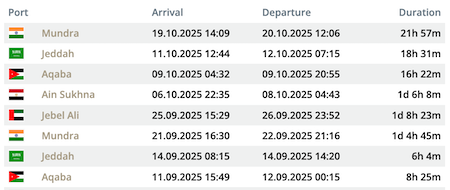
Die letzten Häfen
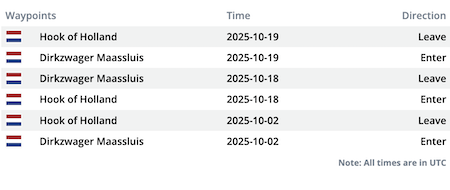
Die letzten Wegpunkte
Die neuesten Nachrichten
ESPNAVY A33 8803563
The "Hesperides" which is expected at Auckland on Apr 13, 2011, is halfway through a circumnavigation of the globe, in which its experts are assessing the effects of climate change on the world's oceans. The Malaspina Expedition will stop in Auckland for three days, and several of its researchers will present findings at the University of Auckland. The $23 million, seven-month expedition did not initially plan to monitor radioactive runoff. Because the nuclear plant in northern Japan was releasing contaminated water into the ocean, it made sense to check the levels of nuclear material in the Pacific. No one was monitoring the spread of radioisotypes, such as cesium-137, because it was logistically difficult to get research vessels to remote spots quickly. When the "Hesperides" leaves Auckland, it will begin testing the waters on the way to Honolulu.
ESPNAVY A33 8803563
Scientists on board a Spanish research ship of the Malaspina Expedition, will look in the central Pacific Ocean for traces of radioactivity from Japan's crippled Fukushima nuclear plant in, said a renowned Spanish oceans researcher on Thursday. Professor Carlos Duarte, who is leading the expedition, told reporters aboard the research ship Hesperides in Sydney that searching for radioactivity was not part of the original plan for the seven-month trip. "We are going to add an element of research to the south and north track along the Pacific that was obviously not planned when we departed," Duarte said. "We will monitor and assess the extent of contamination by radioisotopes in the central Pacific Ocean."
News schreiben