

HEBRIDEAN ISLESverschrottet


Kurs/Position
vor 663 Tagen
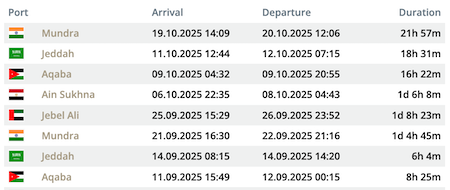
Die letzten Häfen
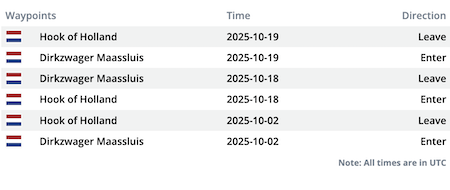
Die letzten Wegpunkte
Die neuesten Nachrichten
Ferry arrived at Smedegaarden A/S scrapyard in Esbjerg
The 'Hebridean Isles' arrived at the Smedegaarden A/S scrapyard in Esbjerg on Nov 2, towed by the AHTS 'Pegasus' (IMO: 9433743), where it was to be broken up. The ferry was built at the Cochrane Shipbuilders shipyard in Selby, where it was launched in December 1985. For the first 15 years, from around 1986, the 'Hebridean Isles' had sailed on the route between Uig on the Isle of Skye to Tarbert and Lochmaddy in the Outer Hebrides. Report with photo: https://www.soefart.dk/article/view/1194734/foto_nu_begraver_gamle_macbrayne_sin_faerge_i_esbjerg
Decommissioned ferry towed to Danish breakers
The 'Hebridean Isles' was towed away from the King George V Docks in Glasgow on Oct 26, before being transferred from a harbour tug to the AHTS 'Pegasus' (IMO: 9433743) close to Greenock’s Ocean Terminal for her final passage to Smedegaarden A/S recycling yard in Esbjerg with an ETAas of Nov 2. The CalMac engineer Ross Hardie marked her departure with a skirl of the bagpipes. The route to Denmark has yet to be determined at this time and dependent on weather, she may sail through the Minch one last time or take a route south through the English Channel. The departure came almost a year after being retired by the Gourock-based operator CalMac and following her 39 years in service. Since her withdrawal, the ship has been berthed at the King George V Dock in Glasgow for decommissioning. Work has been carried out to salvage parts of the ship’s engine, pumps, alternators and gearboxes, with each piece of machinery being refurbished for use as spares in other CalMac vessels. Since it was taken out of service in 2024, the 'Hebridean Isles' has been painstakingly stripped of anything useful including items destined for a museum, a public garden and a nautical training college. Engine parts, navigation and other electrical equipment could end up on other CalMac vessels, while the maker's plate is now on display in North Yorkshire where the ship was built in 1985. Report with photo and video: https://www.bbc.com/news/articles/clygg5l5dy3o?fbclid=IwY2xjawNu6BdleHRuA2FlbQIxMQABHllUyS_XXbsaMsny8tw_uL4HmEeE08YfOFca-WkvlGyiPwFDT9jTML8XPk0y_aem_jYmj46ppuOwvbOcBC-pRhQ https://www.linkedin.com/posts/today-monday-27-october-we-are-bidding-ugcPost-7388601622299500546-ag36?fbclid=Iwb21leANszy9leHRuA2FlbQIxMQABHsQT7PNpOF45qh123M1k87z286zdgf5aLt4p8qTXAv75gNY0FCZcP-ht1s3s_aem_opkpx4ux5bRFG3dSha1I0A
Delivery to breakers delayed due to Brexit
The 'Hebridean Isles', due to be scrapped has been given a stay of execution due to the Brexit. After the final sailing to Islay, the ferry has been anchored at King George V dock on the Clyde, awaiting transfer to Denmark to be scrapped. That was first mooted for April, but the ship has been unable to enter the European Union due to regulations over hazardous waste. The issue is believed to be related to the freezer compartments on board, and in particular the insulation used in their construction. From salvaging engine parts to removing hazardous material, The project has been closely managed to ensure compliance with all partners, such as the Scottish Environment Protection Agency and the Danish equivalent. It was in the final stages of completing the required paperwork, and Calmac hoped to see her start the journey to Denmark as soon as all necessary permissions are granted. The rules have changed since Brexit and it takes more time to obtain approvals on paperwork. When paired with the complexity of decommissioning work to retain important parts of the vessel, the project has taken slightly longer than originally planned.
News schreiben