

LUNAverschrottet


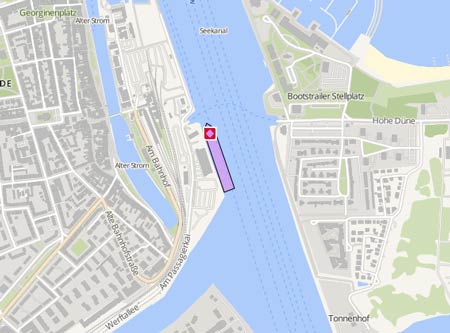
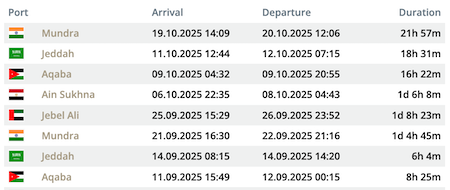
Die letzten Häfen
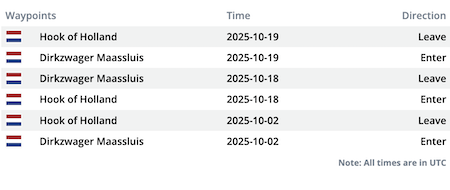
Die letzten Wegpunkte
Die neuesten Nachrichten
Beached
Beached at Aliaga 11.02.26
External explosive device likely caused blast
An external explosive device most likely caused the blast that damaged the 'Vilamoura' off the Libyan coast, the vessel’s Greece-based operator TMS Tankers said on July 6, citing an initial investigation. The tanker had left the Libyan port of Zuetina on June 27 headef to Gibraltar with one million barrels of oil when there was an explosion in the engine room. "Preliminary investigation findings clearly indicate that the explosion, the resulting fracture of the side shell plating, and the flooding of the engine room were caused by an external source —an unidentified explosive device,” TMS Tankers said.
Damaged tanker claimed to be part of Russian Ghost Fleet
Ukraine claims that the 'Vilamoura' is linked to Russia's Ghost Fleet, used to circumvent Western sanctions. According to Ukrainian military intelligence, the vessel was carrying more than one million barrels of crude oil, when it was seriously damaged by an explosion off the coast of Libya on June 27. The vessel was located nearly 150 kilometers northeast of the Libyan coast in the Mediterranean Sea at the time. According to Ukrainian intelligence services, the Vilamoura is owned by the Greek company TMS Tanker Limited and has repeatedly transported cargo from Russian ports. The explosion caused the engine room to flood due to water intake, although the cause of the explosion remained unclear. The explosion was only reported on June 30, and the tanker is currently being towed towards the Gulf of Laconia, where it is scheduled for inspection and repair. The incident came as a series of unexplained explosions on oil tankers calling at Russian ports. In response, shipowners have begun inspecting their vessels for mines using divers and underwater drones. According to Ukrainian intelligence, the Russian ghost fleet now numbers nearly 1,000 vessels, with a total tonnage of over 100 million tons. These cargo ships reportedly regularly change flags, disable their tracking systems, and sail with limited assurances, in order to conceal their activities and continue the illegal export of Russian oil.
News schreiben