

RENAverschrottet


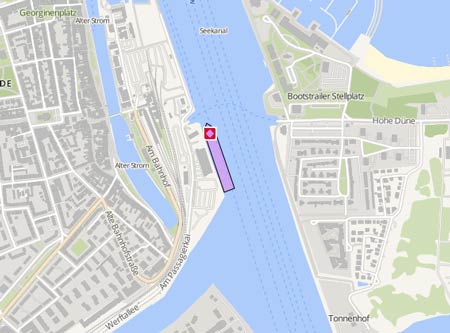
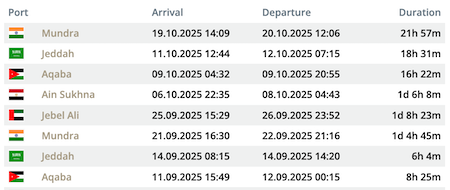
Die letzten Häfen
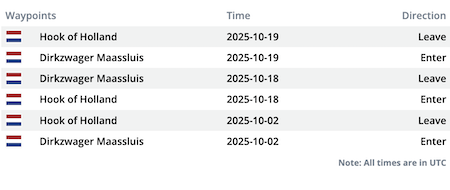
Die letzten Wegpunkte
Die neuesten Nachrichten
From scrap yard to sea life: Astrolabe reef rebounded 15 years after shipwreck
Oct 5 marked 15 years since the 'Rena' ran aground on Ōtāiti in 2011, spilling about 350 tonnes of heavy fuel oil into the Bay of Plenty. Since then, the former University of Waikato marine ecologist Dr. Phil Rossand his team have monitored the ecological effects of the grounding at Astrolabe Reef, under contracts with the Bay of Plenty Regional Council and, at various stages, the 'Rena'’s owner and insurer. Ross had not dived at the Ōtāiti/Astrolabe Reef before the grounding. Soon afterwards, he dived at other reefs around Mōtītī to get a sense of what a relatively unaffected reef looked like, providing a comparison for his subsequent monitoring of Ōtāiti. Since October 2011 he had made more than 300 dives at the reef, monitoring its recovery and the condition of the wreck that remains on the seabed. The fish life has become amazing. The biodiversity and the vibrancy of life on Ōtāiti is every bit as good as the other offshore reefs in the Bay of Plenty. The reef is supporting a thriving and diverse marine ecosystem, with large numbers of snapper among the most obvious signs of its recovery. Ōtāiti was now part of the Motiti Protection Area, where fishing is prohibited and diving has been permitted. Recent comparisons with other reefs around Mōtītī found Ōtāiti had biodiversity and ecological health comparable with the surrounding reefs. The wreck remained an important part of the monitoring, particularly because of copper wiring originally from building destroyed in the Canterbury quakes that went down with the stern of the 'Rena'. A significant amount was recovered during the salvage operation, but some remained beneath the wreck where it cannot be accessed. If the wreck moves and the copper is exposed, then some decisions could be made about trying to recover it. A major storm this year produced swells of about 10.5m, but the main wreck and the copper beneath it did not move. Some pieces of wreckage weighing tens of tonnes left in shallower water near the top of the reef had been moved by storms. When these bits of wreckage get moved off, within a few months we see a seaweed forest starting to grow on the reef. Sediment samples are collected from sites around the former debris field, as well as further away from the wreck, and are tested for copper and contaminants associated with anti-fouling paint. Water chemistry testing around the copper has also shown that its influence has not expanded beyond the area identified in earlier monitoring. Some sections of wreckage were now so covered in marine life that it was difficult to distinguish between ship and reef. The development was regarded as a good lesson in the resilience of the ocean and the ability of those reef ecosystems to recover from disturbance. The reef was supporting a wide range of marine life, including jack mackerel, kahawai, kingfish, moki, Sandager’s wrasse, butterfly perch, blue maomao and the occasional manta ray. The current resource consent was due to end of 2027, with a planned handover of responsibility for the wreck and its ongoing management to the Bay of Plenty Regional Council. Report with photos: https://www.sunlive.co.nz/news/385832-from-scrap-yard-to-sea-life--rena-reef-rebounds.html
Investigation launched after plastic beads scattered on Tairua Beach
An investigation has been launched into whether plastic beads that have appeared scattered across Tairua Beach could be from the wreck of the 'Rena'. It follows a big community effort over the weekend to clean up the small plastic balls, which have also been found in the stomach of fish caught in the area. If they are found to have come from the 'Rena', it will unlock funds set aside to deal with the disaster and a clean-up will need to be organised by the managers of the wreck. But it is not clear whether pockets of 'Rena' debris remained buried beneath the sand, at risk of being dislodged in future storms. In the years following the 'Rena' disaster, coastlines were plagued by similar plastic beads. There were significant swells two weeks ago. The Astrolabe Community Trust will sent a representant to Tairua and meet with the local team leader to help put together any further clean-up required this week. Members of the public can call the Bay of Plenty Regional Council pollution hotline (0800 884 883) to report sightings of debris and beads. The council will then co-ordinate with the trust to activate the Shoreline Debris Management response plan. Regional councils would continue to undertake investigations into items which wash up on the shore. Report with photos: https://www.nzherald.co.nz/nz/plastic-bead-mystery-rena-shipwreck-suspected-to-be-behind-continued-pollution-at-tairua/J2JUQ762XVGZUNVDSKBQKUG6HI/
Nature reclaims Rena
The 'Rena' which ran aground on the Astrolabe Reef in October 2011, has been reclaimed by nature and become a thriving kelp forest. The Tauranga diver and ecologist Phil Ross has been monitoring the wreckagesince 2012 and said the wildlife reclamation is a compliment to the salvager's good work. His latest dive in December 2020 showed the stark contrast to his first dive in 2012 where the reef looked like a scrapheap, littered with tyres, broken containers and twisted steel. Through the process of salvaging the debris field the reef was allowed to recover. In his recent video, Ross comes close to species of fish living around and inside the wreckage along with anemones, algae and kelp covering the surfaces of the ship which could almost mistake it for any other reef. Almost all the surface is covered in different types of algae. Ross is part of a team that is monitoring the 'Rena' for the next 20 years to check it causes no further damage to the reef and any issues are identified early. They are monitoring for any pieces of steel that might become dislodged and float in the tide to damage the reef, as well as the status of 5 to 10 tonnes of granulated copper trapped underneath the wreck’s hull. At the moment it is all in one pile and trapped underneath the ship where it will hopefully stay. Report with photos and video: https://www.stuff.co.nz/environment/300184165/rena-shipwreck-divers-discover-reef-roiling-with-life-nine-years-after-sinking
News schreiben