

SPIRIDON II


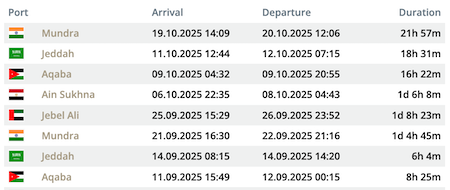
Die letzten Häfen
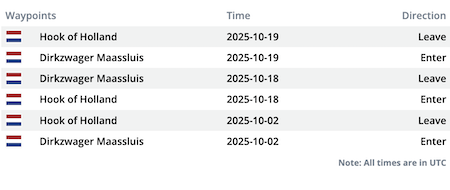
Die letzten Wegpunkte
Die neuesten Nachrichten
Investigations continued into animal cruelty during voyage from Uruguay to Turkey and Benghazi
Fresh footage has emerged from the'Spiridon II', shedding new light on conditions onboard after the vessel spent weeks stranded off Turkey. The ship transported close to 3,000 animals from Uruguay in late 2025 on a voyage initially bound for Turkey. The journey lasted around four weeks, during which a number of cattle died and around 140 calves were born at sea, raising questions over the condition of animals loaded for export. Problems escalated upon the arrival, when Turkish authorities refused entry due to discrepancies in import documentation, involving around 500 missing animals from official lists. The vessel was left waiting offshore for several weeks, with the cargo remaining onboard. Video footage taken shortly after the arrival in Turkey showed weakened animals, poor hygiene conditions and newborn calves housed in cramped spaces. The situation likely deteriorated further during the extended delay. After more than two months at sea, the vessel discharged the surviving animals in Benghazi. The dispute over the responsibility was ongoing. Importers in Turkey have launched legal action against an Austrian livestock trader from Waldviertel, which was involved in organising the shipment, alleging the cattle were loaded despite known risks that entry could be denied. The trader has rejected wrongdoing, according to local reports, as investigations continued into the circumstances surrounding the voyage. Video: https://www.youtube.com/watch?v=GRSnWER9m6Y&embeds_referring_euri=https%3A%2F%2Fsplash247.com%2F&source_ve_path=MjM4NTE
Nightmare of thousands calves ended without relief
The ' Spiridon II' has docked in Beirut on Nov 27. After leaving Turkey, and off the coast of Tunisia, the "Spiridon II" had switched off its tracking system and disappeared for three days. Then it reappeared in the opposite direction, in Benghazi. 2,700 animals were unloaded there. Officially, that was all of them. The grim toll: over 340 animals (including newborn calves) likely didn't survive the harrowing journey. What happened to them was unclear. It was suspected their bodies were dumped in the Mediterranean during the period of radio silence. A team of Animal Welfare located the farm in Libya where the Uruguayan cattle were presumably taken. However, due to the high walls and the dangerous location, they couldn't check on their condition. While they were still on site, the "Spiridon II" set sail again. The ship once again deactivated its tracking system and reappeared in Beirut on Nov 27. Since this wasn't the first time the ship had given incorrect information about its destination, a team was already there and documented the ship's arrival in Beirut. They were trying to determine whether there were indeed no animals left on board. However, it appeared that no cattle were unloaded. According to the Agriculture Ministry in Uruguay all animals have been unloaded before. Their fate was unknown but most likely many had to be killed after so many days in horrible conditions. For 66 days, nearly 3,000 cattle were trapped on the vessel, standing in their own filth without proper care, food, or relief. Many were heavily pregnant. Calves were born in overcrowded, filthy conditions, without assistance, without hope. Some newborns simply disappeared. Report with photos and video: https://www.animal-welfare-foundation.org/blog/spiridon-ii-mindestens-340-tote-tiere-die-ueberlebenden-in-libyen-ausgeladen
Livestock carrier en route to Alexandria
The 'Spiridon II', which had to return to Montevideo, upon reaching the Strait of Sicily, turned back again, this time bound for Libya. It docked on Nov 22 in the port of Benghazi, from where it departed on Nov 24, for the port of Alexandria. The ship had been able to load fodder on Nov 9 in the port of Bandirma after 23 days of quarantine. The 'Spiridon II' is a former Russian cargo ship, which was converted into a livestock carrier in 2011. It belongs to the Honduran-based company JMR Shipping. During the last year, 17 deficiencies were noted during three inspections of this ship in Greece and Lebanon.
News schreiben